
What Is Bone Grafting and Why Is It Needed?
Have you been told you need bone grafting in South Huntington before getting a dental implant? It can sound intimidating at first. Many people expect to replace a missing tooth right away, only to learn that the jawbone needs extra support first. The good news is that bone grafting is a well-established procedure that helps rebuild lost bone and creates a stronger foundation for future treatment. Understanding why it’s recommended can make the next step feel much less overwhelming.
What Is Bone Grafting? Understanding the Basics
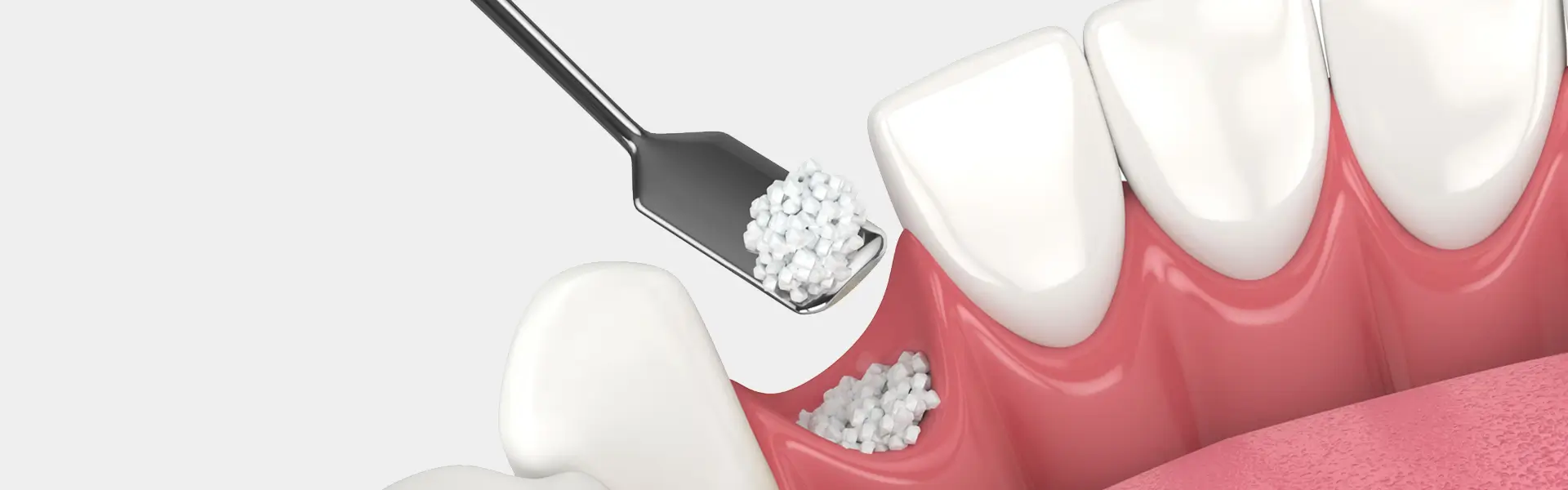
Bone grafting is a procedure that rebuilds areas of the jaw where bone has been lost. The graft material acts as a framework that encourages your body to produce new, healthy bone over time. During healing, the graft supports new bone growth and gradually becomes integrated with the surrounding jaw.
Dentists often recommend this treatment before placing dental implants because implants require sufficient healthy bone to remain stable over the years.
Bone grafting may use:
- Your own bone
- Donor bone that has been carefully processed
- Synthetic bone substitute
- A combination of grafting materials
The right grafting option depends on your oral health, treatment goals, and how much bone needs to be restored.
Common Reasons Why You May Need a Bone Graft
Jawbone loss does not happen overnight. When a tooth is lost, the jawbone in that area can gradually shrink because it no longer receives the natural stimulation provided by chewing.
An experienced dentist near you may recommend bone grafting if you have:
- Reduced jawbone volume after one or more teeth have been lost
- A thin jawbone before dental implant placement
- Bone damage caused by advanced gum disease
- Jawbone changes following a tooth extraction
- Facial bone shrinkage affecting your smile and bite
- Injury or trauma involving the jaw
During a comprehensive examination, digital X-rays or 3D imaging help measure bone density and determine whether grafting is necessary before restorative treatment.
How the Bone Grafting Procedure Works Step by Step
Every treatment plan is customized, but most bone grafting procedures follow a similar process.
1. Complete Evaluation
A thorough examination, along with digital X-rays or 3D imaging, helps your dentist assess your jawbone and determine how much bone is available for treatment.
2. Personalized Treatment Planning
The grafting material and technique are selected based on the location and amount of bone loss.
3. Bone Graft Placement
After the area is comfortably numbed, the graft material is placed where additional bone is needed. In some cases, a protective membrane is used to support healing.
4. Healing Phase
Over the following months, your body gradually replaces the graft material with new bone. The healing process varies from person to person, depending on the extent of the graft and your overall health.
5. Future Restoration
Once healing is complete, the jaw is often ready to support a dental implant or another restoration if planned.
Benefits of Bone Grafting for Your Oral Health and Dental Implants
Bone grafting can benefit your oral health in ways that extend beyond preparing for dental implants.
It may help:
- Restore lost jawbone strength and volume
- Create a stable foundation for dental implants
- Reduce future bone deterioration
- Support nearby teeth and healthy gums
- Maintain natural facial shape
- Improve long-term oral function
Healthy surrounding bone is important for implant stability, which is why careful examination and treatment planning are necessary before placement.
Expert Insight
Bone grafting is not recommended for everyone with a missing tooth. The decision depends on bone quality, medical history, gum health, and future treatment goals. Careful evaluation helps determine whether grafting will improve long-term results.
Recovery Tips and What to Expect After Bone Grafting
Many patients resume light daily activities within a few days, but recovery depends on the graft size, treatment area, and individual healing response.
During recovery:
- Follow all aftercare instructions carefully.
- Eat soft foods during the first few days.
- Avoid smoking, which can slow healing.
- Brush gently around the treated area.
- Attend follow-up appointments to monitor healing.
If swelling, discomfort, or minor bruising occurs, these symptoms usually improve gradually during the first week. Contact your dentist if pain or swelling becomes worse, bleeding does not slow, or you develop fever, drainage, or another unexpected symptom.
Whether you live in Huntington, Melville, Dix Hills, Commack, or Plainview, seeking an evaluation early after tooth loss may help preserve more of your natural jawbone before further changes occur.
Moving Forward With Your Smile
Bone loss does not always cause obvious symptoms, but it can affect future treatment options if left unaddressed. Bone grafting in South Huntington can rebuild lost jawbone and help prepare the area for future restorative treatment. If you are looking for a dentist in Huntington Station or a trusted dental clinic near you, scheduling a comprehensive evaluation is the best way to understand your options. At All City Cosmetic Dental Care, your dentist can assess your jawbone, discuss personalized treatment recommendations, and help you plan for a healthier, stronger smile.